7 Best Practices for Teaching an Art Class
I taught a one-day workshop this past weekend. The secret to making the day a success is the tremendous amount of planning that happens before the class. I’ve created a list of seven best practices that I rely on when planning and teaching.
Create a Lesson Hook
What is about your class that will capture the interest of potential students and those who do decide to take your class? Is there something unique about the materials you’re using? Will you be teaching them a technique that you created? Whatever it is, use this idea to organize your lesson plan and your marketing material.Plan for Engaging Materials
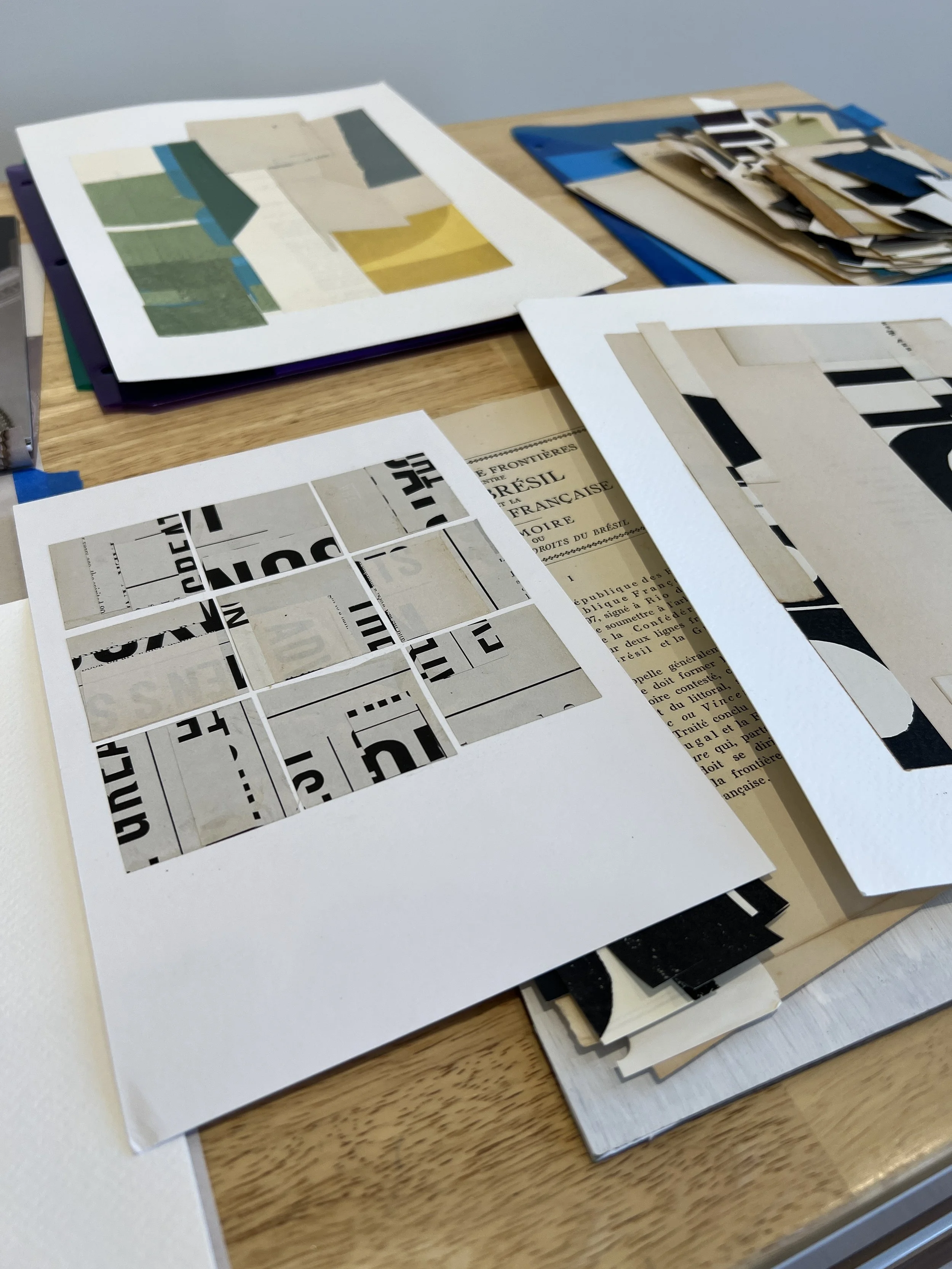
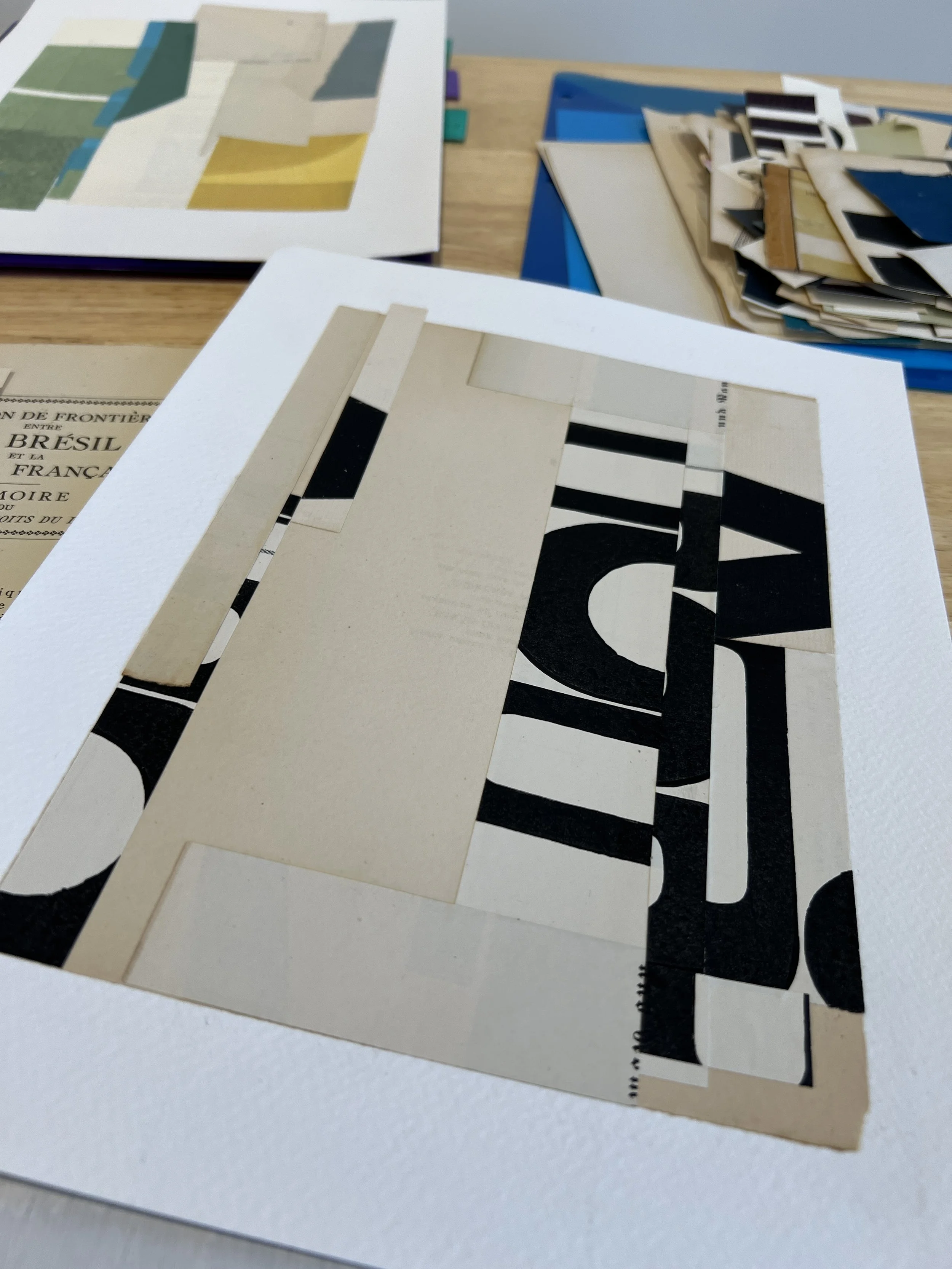
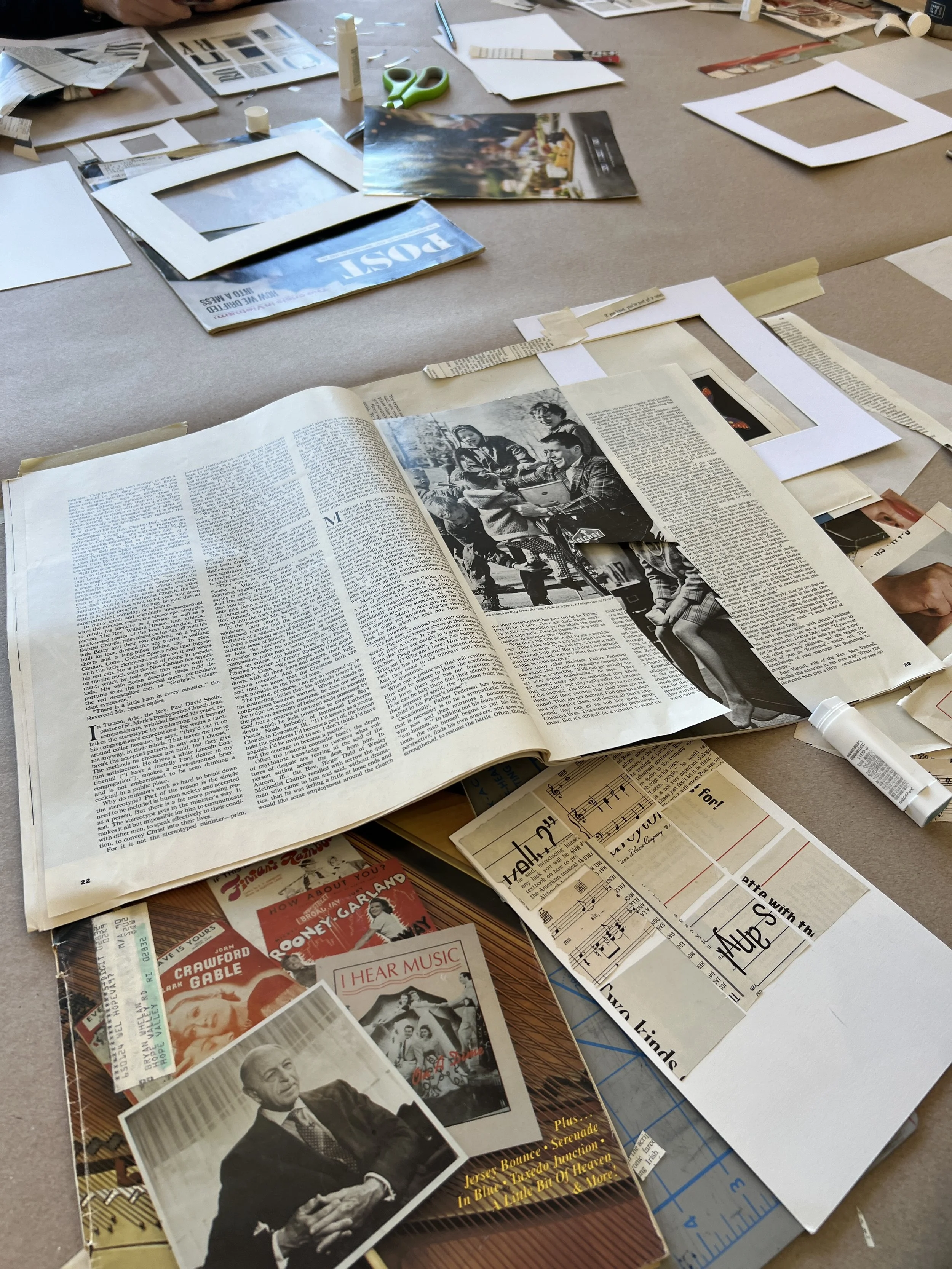
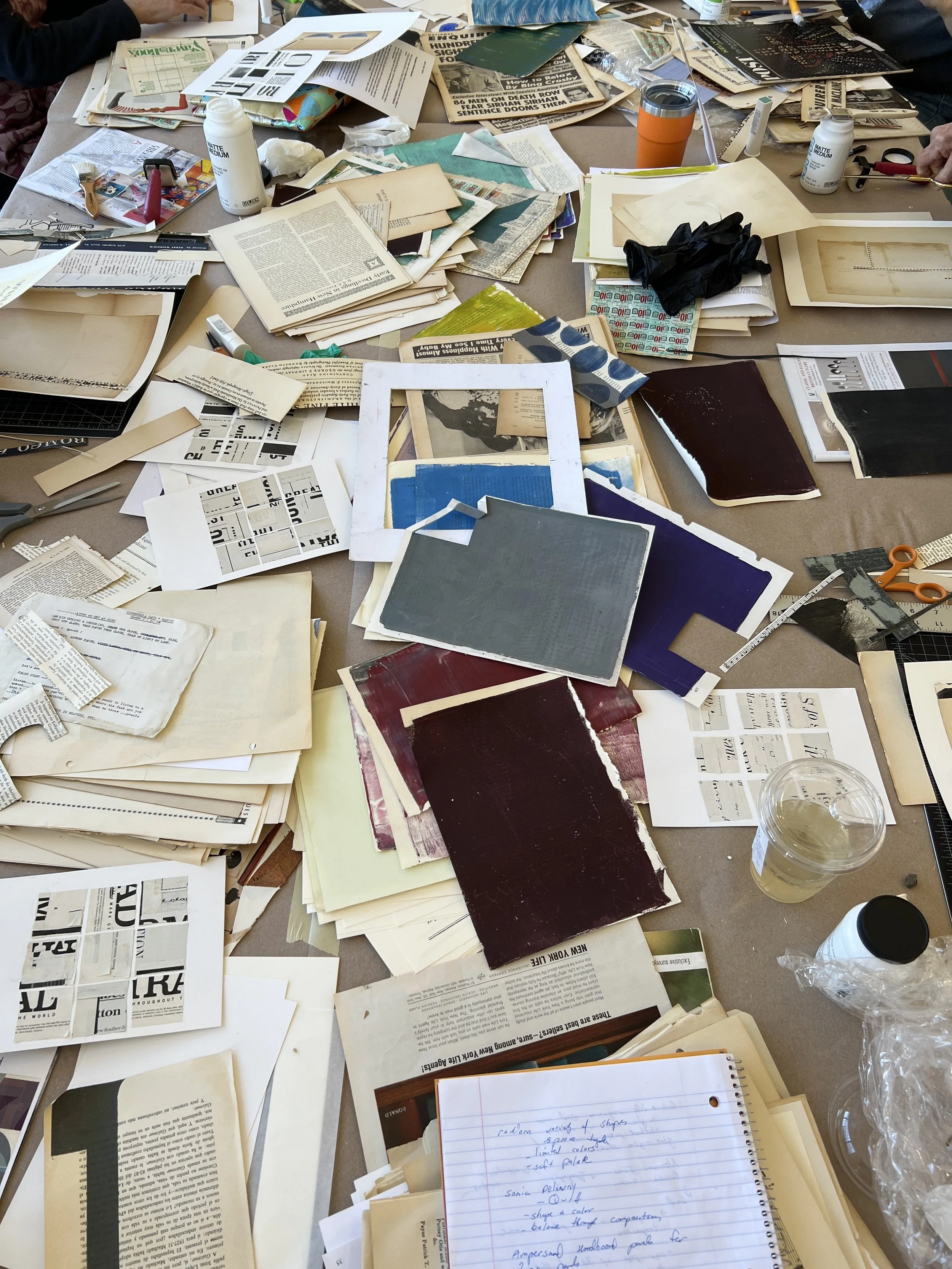
Use interesting, high-quality materials. Some of these might be provided by you and others might be on the list of what you require your students to bring. Whether it's gelli plates, letterpress tools, or vintage magazines for collage, having unique supplies adds an extra layer of excitement. I like to provide a package of vintage papers that need to be unwrapped like a gift. As students unwrap the papers, they start talking and sharing stories as they connect to the materials. This is the only ice-breaker I ever need.Balance Demonstration and Hands-On Learning
Aim for a mix of instruction and hands-on time. Start with a demonstration to introduce the technique, then allow your students to experiment on their own. In a two-hour class, for example, you could demonstrate for the first 20 minutes and then spend the rest of the time walking around, providing one-on-one support while students create. Observe the students to see where they might need a bonus lesson, an individual tutorial or a reminder of something you already mentioned.Tailor Your Classes to the Time Available (and be ready to change your plans)
Time is always a factor, so make sure to pace the class appropriately. For short workshops (e.g., two hours), keep the projects simple and manageable. For longer sessions (like a 10-week course), plan more in-depth projects, but break them into digestible parts. For example, you might start each session with a sketchbook collage warm-up before diving into more complex techniques. I write detailed lesson plans for every class and I always over plan. Because I’m prepared with so many possible activities, I can revise or remove them as we start to run out of time. The class might be so interested in a lesson that I expand the time we spend there and eliminate other lessons. The skill level of the class will also impact each lesson, which can be especially challenging in a mixed-level class. This is where you’ll need to determine who the more advanced (or fast) students are and offer them extension activities so they are challenged as much as the beginners. If you don’t feel confident working that way, make it clear from registration who your class is for.Organize Class Flow for Movement and Engagement
No one wants to sit still for hours on end, not even adults. Structure the class in a way that allows people to get up and move around. If you have different stations for materials or tools, like printmaking presses or collage supplies, let the physical setup encourage movement, creativity, and conversation.Consider the Logistics: Setup, Cleanup, and Travel
Teaching art often requires a lot of materials, so it's essential to plan for extra time to set up and clean up. Arrive early to organize your supplies and make sure everything is ready for the students. If you’re traveling to a venue, factor in the time it takes to transport materials and the effort required to unpack and repack. Choose teaching opportunities where the compensation matches the time and effort you're putting in. Someone in the class (maybe even you) will have forgotten to pack something, so try to have extras of all your materials. You might notice that someone is struggling to use the brush they brought, and being able to offer an alternative for the to use will make for a better experience for the student.Encourage Reflection and Showcasing
Whether it’s a casual "show and tell" at the end of a one-day workshop or a more formal critique in a multi-week course, giving students the chance to reflect on and share their work is essential. It fosters community, builds confidence, and reinforces what they’ve learned. End the class by letting students display their creations and talk about their process. And don’t forget to take lots of pictures.
By following these best practices, you can create a dynamic, engaging art class experience that benefits both you and your students!
What other best practices would you add to this list? Add the below and let’s help each other out!